Spotting Scope vs Binoculars for Birdwatching UK
Binoculars are usually the better first tool for finding nearby or moving birds; a spotting scope adds detail when birds remain distant across water, mudflats or open ground. Most birders benefit from using both in sequence. Buy a scope only if long-range identification is a recurring problem and you are willing to carry stable support.
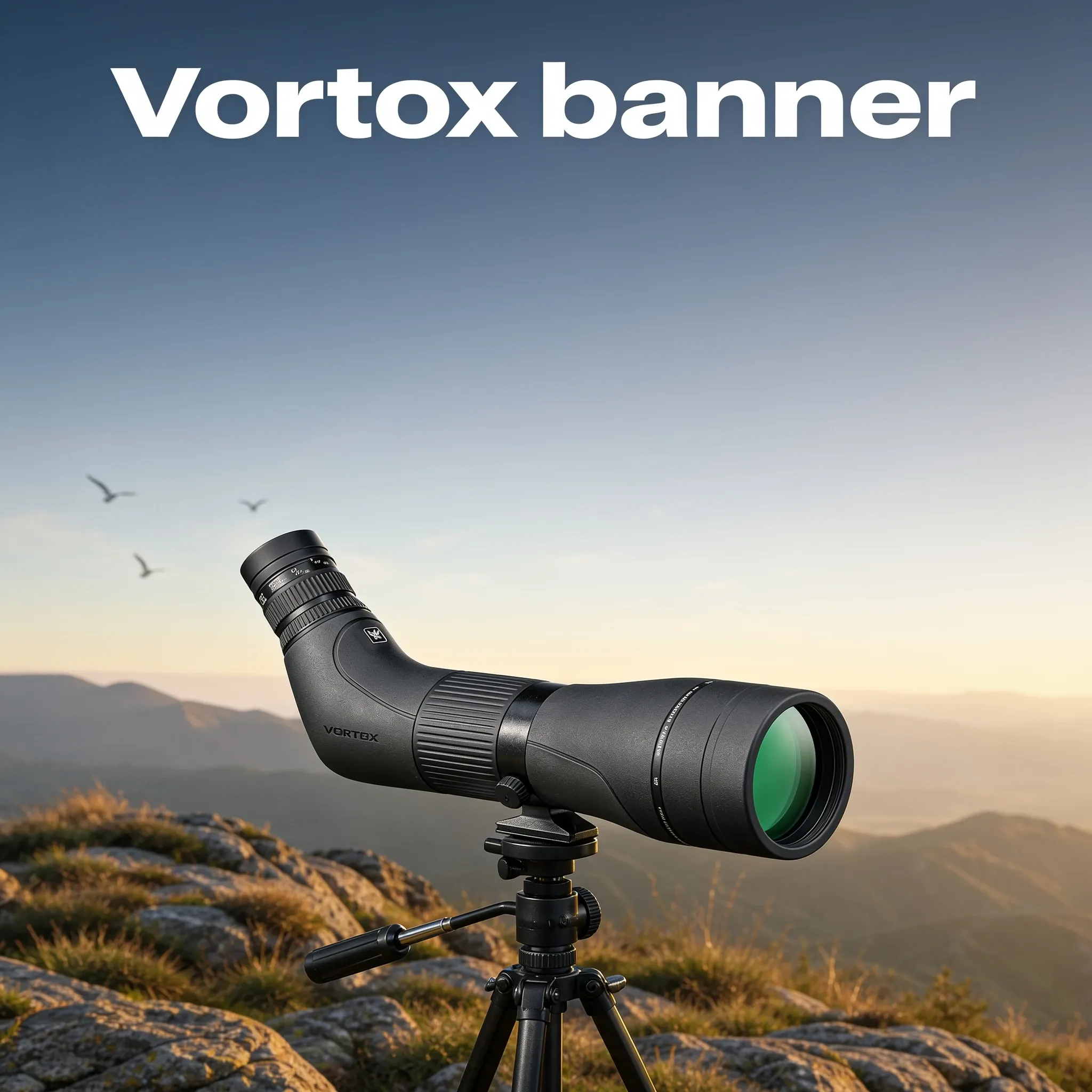
If your binoculars are easy to carry but leave distant waders as silhouettes, it is reasonable to consider a first scope. The mistake is treating the two tools as substitutes. They solve different stages of the same task: binoculars help you find a bird quickly, while a supported spotting scope helps you examine a bird that is already located.
Spotting scope vs binoculars for birdwatching UK: the real split
| Decision factor | Binoculars | Spotting scope |
|---|---|---|
| Finding movement | Wide, mobile view; quick to raise. | Narrower view, especially as zoom increases. |
| Distant detail | Limited by handheld magnification. | More reach when mounted steadily. |
| Carrying | One compact item around the neck or in a case. | Body, tripod or hide mount, head and covers. |
| Sharing a sighting | Each person must find the bird again. | A fixed view can be handed to the next observer. |
| Woodland and close birds | Usually the more useful tool. | Often too slow or narrow for sudden nearby movement. |
| Estuaries and large wetlands | Useful for scanning. | Useful for confirming distant field marks. |
This division agrees with WWT's birdwatching equipment guidance: binoculars offer a versatile field of view and portability, while a spotting scope adds distant detail and an easily shared fixed view. WWT also warns that the scope is only as useful as the tripod or hide mount supporting it.
Use the three-step field workflow
- Find with the naked eye. Use landmarks such as a reed edge, island or post.
- Confirm with binoculars. Follow movement and establish the bird's position without a narrow high-power view.
- Inspect with the scope. Start at the lowest zoom, focus carefully and increase only while the image remains useful.
A first-scope buyer who jumps straight to 60x may lose the subject and conclude that the equipment is too complicated. That is a technique problem, not proof that more magnification is needed. Practise on a fixed sign or post before trying to follow wildlife.
Four questions that justify an upgrade
- Do you repeatedly watch across open water, mudflats, reservoirs or broad fields?
- Are bill shape, leg colour or plumage marks still unresolved after using binoculars?
- Can you pause in one place long enough to set up support without blocking others?
- Will you carry the scope and tripod often enough to justify their cost and weight?
If the first two answers are no, better technique, a local identification guide or suitable binoculars may deliver more value. The RSPB beginner's guide makes clear that expensive equipment is not a condition of being a birdwatcher and recommends trying optics at demonstration events.
What the first-scope specification should answer
Look for a wide enough low-power field to acquire a bird, a focus control you can learn, adequate eye relief for your glasses and a body that fits your normal route. Weather sealing is useful for outdoor equipment, but it does not mean the optic should be stored wet. A zoom label cannot tell you whether the image at the top end will remain useful in the day's light and atmosphere.
Angled and straight bodies are not a quality ranking. The Opticron guide describes angled scopes as easier to share at a lower tripod height, while straight scopes can be faster for following movement or using from a vehicle. Try both rather than copying another birder's posture.
Where the current Crossfire option fits
The Vortex Crossfire HD 20-60x80 angled model, displayed at £290.57 on this site when checked, is a full-size supported option. Vortex lists it at about 1.50 kg before the tripod and head. It is more plausible for a hide, reserve viewpoint or short approach than for someone who wants binocular-like freedom on a long walk.
Do not buy it merely because your binoculars once struggled. A regular long-range need, a support plan and a successful in-person trial are stronger reasons. If you want the model-specific evidence, use the separate Crossfire HD specification-led review.
Keep the upgrade wildlife-first
More reach should help you remain at a respectful distance, not encourage approaching a nest for a sharper view. RSPB guidance advises keeping quiet, staying on paths and following site signs. In England, GOV.UK wild-bird guidance also explains the legal protection for nests, eggs and Schedule 1 birds. Rules differ across the UK, so follow the relevant local authority and site guidance.
Continue with the next decision
- Comfortable angled-scope hide setup
- Best birding spotting-scope buyer's guide
- Crossfire HD 20-60x80 specification-led review
Frequently Asked Questions
Should a beginner buy binoculars or a spotting scope first?
Binoculars are usually the better first purchase because they are portable and make it easier to find nearby or moving birds. Add a spotting scope when distant, mostly stationary birds repeatedly remain too small to identify and you accept the need for stable support.
Does a spotting scope replace binoculars for birdwatching?
Usually not. Binoculars find and follow the bird; a supported scope then supplies more detail at range. Carrying both is useful on open wetlands and estuaries, while binoculars alone may be enough in woodland, gardens or on a mobile walk.
Why does a spotting scope need a tripod?
High magnification enlarges small movements as well as the subject. A secure tripod or hide mount makes focusing and identification more practical. If you do not want to carry or set up support, a scope may not solve your problem.
How can I test whether I really need a spotting scope?
Borrow, hire or try one at an optics demonstration at a site you understand. Compare how often it reveals a field mark that your binoculars cannot, then include the setup time, carrying weight and tripod cost in the decision.
Check the current Crossfire HD details and terms
View current product details — £290.57